
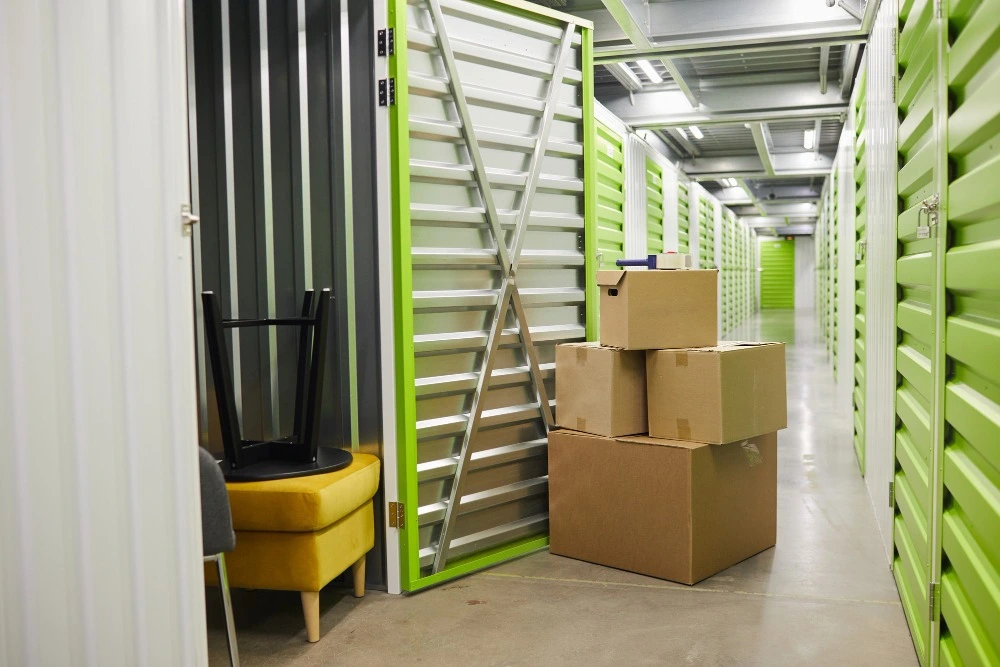
Furniture storage in Dubai comes with risks that are easy to overlook until damage becomes visible. Heat, humidity, and fine dust do not need months to cause problems. In many cases, the impact shows up quietly—loosened joints, warped panels, faded upholstery—only after furniture is taken back out of storage.
Because of this, personal storage in Dubai has moved far beyond basic lock-and-key units. Storage today is expected to actively protect furniture, not just hold it. The difference lies in how the space is controlled, monitored, and accessed over time.
Why Furniture Storage Needs Extra Care in Dubai
Dubai’s environment is unforgiving to stored furniture. Temperatures frequently rise above 40°C, humidity levels shift unexpectedly, and dust settles even in enclosed areas. When furniture sits in uncontrolled conditions, materials respond in different ways.
Wood dries out, expands, or cracks. Leather loses flexibility and begins to peel. Upholstered furniture absorbs moisture, increasing the risk of mold. Metal fixtures corrode slowly, especially when airflow is poor. These changes often develop gradually, which is why damage is rarely noticed until storage ends.
For this reason, professional personal storage in Dubai focuses on preventing deterioration rather than fixing it later.
Safety Measures That Help Preserve Furniture
Climate-Controlled Storage
Well-managed facilities maintain stable indoor conditions, usually around 24–25°C with regulated humidity. This consistency reduces stress on materials caused by repeated expansion and contraction. Compared to non-controlled storage, climate stability significantly lowers the risk of long-term damage.
Dust and Pest Control
Dust and pests are constant concerns. Reputable storage spaces use sealed units, scheduled pest treatments, and layouts that keep furniture off the floor and away from walls. These small details help prevent moisture buildup and reduce exposure to insects and dust accumulation.
Fire Safety Compliance
Furniture storage facilities follow approved fire safety standards, including smoke detection, fire-rated doors, and suppression systems. These safeguards are particularly important during long storage periods when items remain unattended.
Careful Handling and Packing
Damage often happens during movement rather than storage itself. Professional storage services typically include protective wrapping, furniture covers, and trained handling during loading and placement. This reduces strain on joints, surfaces, and delicate finishes.
Security Systems Used in Modern Storage Facilities
Security is not handled through a single feature. Reliable furniture storage relies on multiple layers working together.
Continuous Surveillance
Storage areas are monitored through 24/7 CCTV coverage. Entry points, corridors, and access zones are recorded to discourage unauthorized movement and provide traceability.
Controlled Access
Access is managed through personal PINs, access cards, or biometric systems. This limits entry strictly to authorized individuals and prevents casual or accidental access.
Individual Unit Protection
Many facilities secure each unit independently. This reduces interference and adds another layer of protection, particularly for long-term personal storage in Dubai, where furniture may not be accessed for months.
On-Site Oversight
Having trained staff or security personnel available adds practical oversight. Human presence often catches irregularities that automated systems may not immediately flag.
Easy Access Without Increasing Risk
Convenience matters, but not at the cost of safety. Modern storage balances both.
Flexible Access Hours
Extended or 24/7 access allows furniture to be retrieved or added when schedules change unexpectedly. This is especially helpful during moves, renovations, or delayed handovers.
Digital Management
Many storage facilities now allow access permissions, entry logs, and documentation to be managed digitally. This reduces confusion and improves transparency.
Location Matters
Most furniture storage hubs are located in logistics-friendly zones such as Al Quoz and Dubai Investment Park. These locations reduce transport time and handling, which lowers the risk of damage during pickup and delivery.
Door-to-Door Storage Services
For those who prefer minimal involvement, full-service options include collection, storage, and redelivery. This approach is commonly used for short term storage in Dubai, particularly during renovations or temporary relocations.
When Furniture Storage Becomes the Practical Choice
Furniture storage is commonly used during:
- Home renovations or interior upgrades
- Apartment or villa relocations
- Temporary overseas assignments
- Downsizing or reorganizing living space
- Delayed move-in dates for new properties
In these situations, personal storage in Dubai provides flexibility without forcing rushed decisions about selling or discarding valuable furniture.
Choosing the Right Storage Solution
Furniture storage should never be judged on price alone. The real difference shows over time. Climate consistency, security systems, access control, and handling standards all influence how furniture looks when storage ends.
For shorter durations, short term storage in Dubai works best when access is simple and retrieval is quick. For longer storage periods, environmental control and security become far more important than convenience alone.
Final Thoughts
Furniture storage in Dubai is no longer about unused space. It is a structured service designed to protect household items from climate stress, security risks, and handling damage.
Professional personal storage in Dubai combines controlled environments, layered security, and practical access options to meet these challenges. Whether furniture is stored for a few weeks or several months, the right conditions help ensure it returns in the same state it was stored—without unpleasant surprises.