
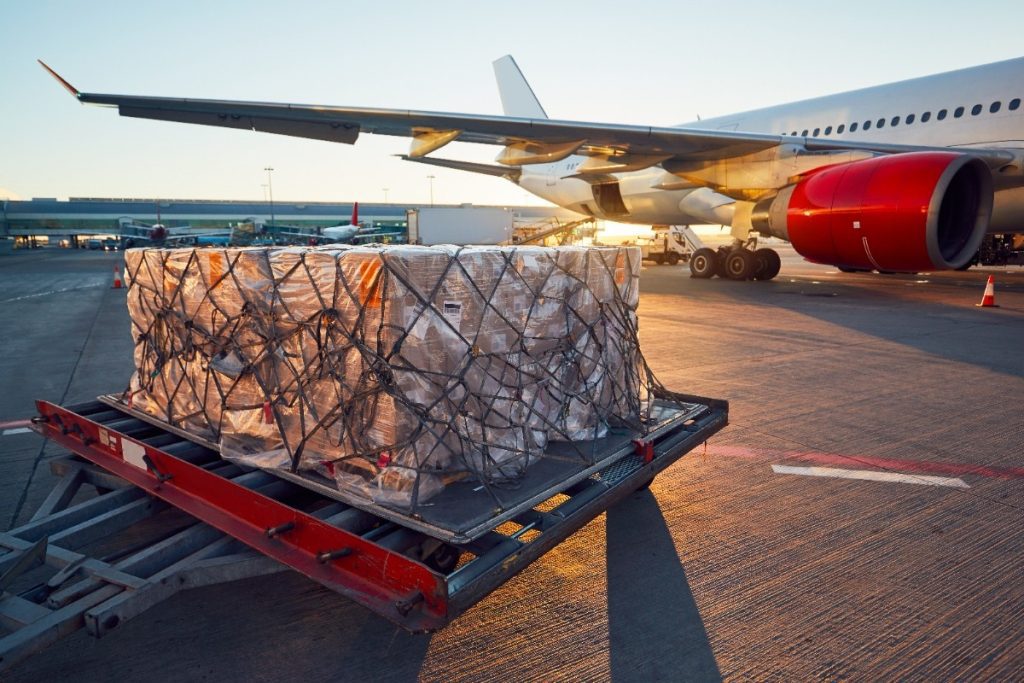
Dubai has always been a major air cargo gateway, especially for shipments where timing matters more than anything else. What has changed by 2026 is not the importance of air freight, but how it actually works on the ground. Faster aircraft are no longer the deciding factor. Performance now depends on how well shipments move through terminals, how smoothly documentation is cleared, and how reliably different systems talk to each other. Air freight shipping from Dubai operates inside a logistics environment where speed, cost control, and sustainability are closely connected, whether businesses plan for that reality or not.
For companies moving high-value or time-sensitive cargo, this shift has changed what “good air freight” really means.
Speed Now Comes from Fewer Bottlenecks, Not Faster Planes
In practice, air freight speed in 2026 has little to do with how quickly a plane flies from one airport to another. Delays are far more likely to happen before cargo reaches the aircraft or while it sits inside a terminal. This is where Dubai’s approach has changed noticeably. Cargo terminals increasingly rely on automated handling, sensor-based tracking, and controlled workflows that reduce unnecessary touchpoints.
Instead of cargo waiting for manual checks or paperwork approvals, much of the process now runs in the background. Customs systems assess risk digitally, often before the shipment arrives. When this works as intended, cargo spends less time standing still. For businesses depending on Air Freight Shipping from Dubai, that consistency has become just as valuable as short transit times.
Route Choices Matter More Than Ever
Another change shaping air freight decisions is how routes are planned. Dubai International Airport continues to play a central role, but Al Maktoum International (DWC) has become increasingly important for cargo operations. Its design prioritizes volume, automation, and direct links to Jebel Ali Port.
This setup has made sea-air movements far more practical than they once were. Goods can move from vessel to aircraft within hours, not days, which changes the cost-to-speed equation for many shipments. As a result, Air Freight Shipping from Dubai is often optimized through route design rather than by relying solely on direct air services.
Cost Control Starts with How Shipments Are Built
Air freight costs have not become cheaper, and global demand continues to put pressure on capacity. What has changed is where savings are found. Airlines now apply chargeable weight rules more strictly, which means packaging and load design directly affect pricing.
Reducing empty space, choosing the right carton sizes, and planning loads more carefully often has more impact than negotiating rates. Consolidation has also become more deliberate. Instead of grouping shipments at the last minute, forwarders increasingly rely on short planning windows to build fuller, more efficient loads. For companies using Air Freight Shipping from Dubai, these operational choices often determine whether air freight remains viable or becomes unnecessarily expensive.
Sustainability Is Part of the Process, Not an Add-On
By 2026, sustainability will have moved well beyond voluntary commitments. On many trade lanes, carbon reporting is no longer optional. Emissions data is expected, tracked, and reviewed as part of normal shipment documentation.
Dubai’s logistics infrastructure has adapted to this reality. Digital carbon tracking, sustainable aviation fuel programs, and cleaner ground transport are now part of everyday operations rather than pilot initiatives. Electric and hydrogen-powered vehicles increasingly handle cargo transfers within logistics zones. As a result, Air Freight Shipping from Dubai now involves balancing delivery requirements with environmental and regulatory expectations that cannot be ignored.
Digital Systems Hold Everything Together
What ultimately ties speed, cost efficiency, and sustainability together is data. Paper documents have largely disappeared, replaced by digital records that move across airlines, terminals, customs authorities, and forwarders. Blockchain-secured documentation and real-time visibility platforms reduce errors and make shipment status easier to predict.
This does not eliminate problems entirely, but it changes how they are handled. Delays can be identified earlier, cost impacts are clearer, and compliance requirements are easier to manage. In this environment, Air Freight Shipping from Dubai is less reactive and more structured, built around planning rather than firefighting.
Final Thoughts
Air freight operations in Dubai have reached a stage where speed, cost control, and sustainability cannot be treated as separate conversations. In 2026, performance depends on how well these factors are managed together inside a highly automated and digitally connected logistics framework.
Air Freight Shipping from Dubai is no longer defined by choosing the fastest available service. It is shaped by how shipments are designed, how routes are selected, and how compliance and efficiency are handled long before cargo reaches the aircraft. Businesses that understand this reality are better positioned to move goods reliably in an increasingly complex global trade environment.