
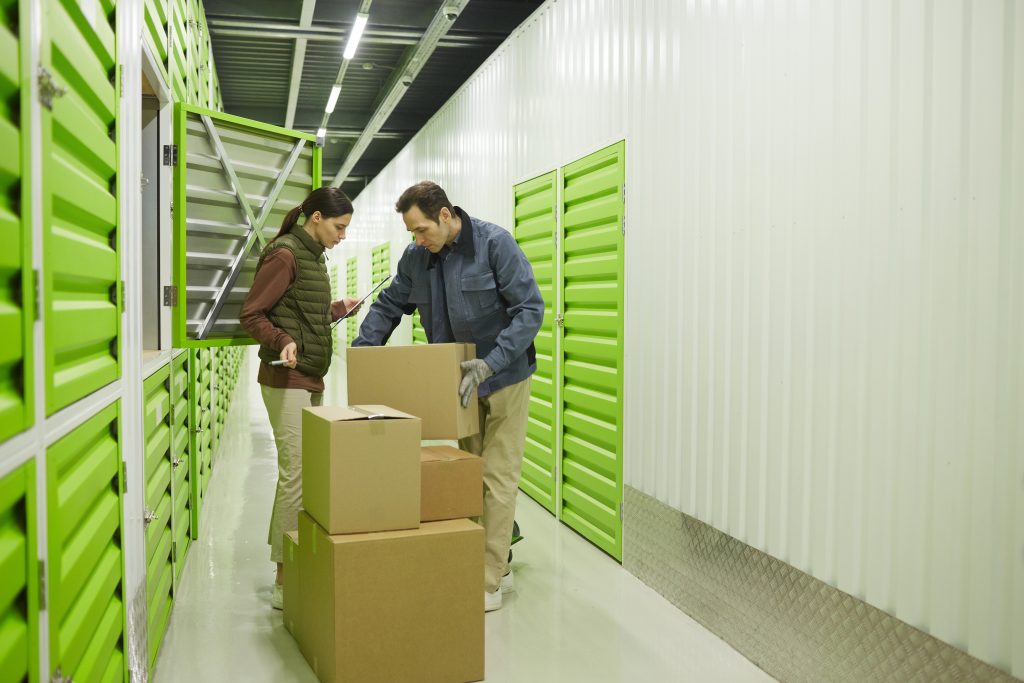
Dubai stands out for its world-class infrastructure, global trade connections, and fast-moving business environment. But behind this progress sits one of the harshest natural climates anywhere. Summer temperatures regularly cross 40°C, coastal humidity runs high, and dust exposure is constant. Storing sensitive goods in normal conditions becomes a serious risk. This is where Temperature Controlled Storage shifts from a premium option to a practical necessity for individuals and businesses across Dubai.
Pharmaceuticals, electronics, documents, furniture, cosmetics—hundreds of everyday and commercial items quietly degrade without a stable, regulated environment. Many people discover this only after experiencing irreversible damage and financial loss. In a city where both personal assets and business inventories carry high value, climate protection has stopped being optional.
Dubai’s Climate: A Silent Threat to Stored Goods
Dubai’s weather may look dry and bright, but it creates one of the most aggressive storage environments. Extreme heat speeds up chemical reactions inside materials. Plastics weaken. Batteries drain faster. Glue melts. Metal parts expand and contract. At the same time, nighttime humidity in coastal areas can hit 80–90 percent, silently triggering mold growth, corrosion, and moisture damage.
Dust and fine sand particles make things worse. During seasonal winds and dust storms, sand works its way into tiny gaps, damaging machinery, electronics, and even sealed packaging over time. This triple combination—heat, humidity, and dust—makes Temperature Controlled Storage the only reliable solution for long-term protection in Dubai.
Why Sensitive Goods Suffer Without Climate Control
The real danger of improper storage doesn’t always show immediately. Electronics stored in heat may look fine on the outside while slowly developing internal circuit damage. Wooden furniture silently absorbs moisture, leading to warping, cracking, and hidden mold. Important paper documents fade, curl, and weaken. Artwork and photographs lose their original quality permanently.
Pharmaceuticals and cosmetics face the highest risk. Many medicines must stay within a strict temperature range to remain effective and safe. Even brief heat exposure can compromise product quality and trigger serious regulatory consequences. Musical instruments, leather goods, textiles, and chemicals also suffer permanent changes when exposed to unstable conditions. This is exactly why businesses and homeowners increasingly depend on Temperature storage to protect both value and safety.
The Financial Reality: Protection, Not Expense
Many people initially see climate-controlled storage as an added cost. In reality, it functions more like insurance. Replacing warped furniture, damaged electronics, spoiled inventory, or recalled medical products costs far more than maintaining a regulated storage environment. For households, the savings often show up within the first year. For businesses, the recovery happens even faster when compared to inventory loss, customer complaints, and compliance penalties.
In Dubai’s competitive market, even a single shipment failure or spoiled product batch can permanently damage a brand’s reputation. Smart businesses treat Temperature Controlled Storage as a long-term investment in stability and trust rather than a short-term expense.
How Modern Temperature-Controlled Facilities Protect Goods
Today’s professional storage facilities in Dubai use advanced HVAC systems, industrial dehumidifiers, insulated walls, and sealed units to maintain stable internal environments. Temperatures typically stay within the safe range of 18°C to 24°C, with carefully balanced humidity levels that prevent both dryness and moisture buildup.
Real-time digital monitoring systems continuously track temperature and humidity, sending alerts when deviations occur. Backup power systems ensure uninterrupted climate control even during peak electricity loads or emergencies. This combination creates a controlled ecosystem where goods stay protected regardless of external weather conditions. This advanced infrastructure makes Temperature Controlled Storage reliable for everything from household items to industrial inventory.
Legal and Compliance Requirements in Dubai
For many industries, climate control goes beyond safety—it’s about legality. Pharmaceutical and medical products must follow the WHO GDP guidelines and the Dubai Health Authority regulations. Food items require strict HACCP compliance under Dubai Municipality standards. Failing to meet these storage requirements can result in heavy fines, license suspension, product destruction, and permanent market damage.
For logistics, freight forwarding, shipping, and international courier operations, maintaining an unbroken cold chain is both a legal and commercial responsibility. The role of Temperature Controlled Storage becomes critical at every transit point, especially in a global trade hub like Dubai.
The Growing Need for Storage in Dubai
Modern lifestyles and fast business expansion have increased demand for both personal and commercial storage solutions. Homeowners use climate-controlled spaces during relocations, renovations, and seasonal storage. Businesses rely on secure storage for inventory management, archives, spare parts, pharmaceuticals, and sensitive equipment.
As Dubai continues attracting global businesses, international trade, and high-value residential communities, demand for professionally managed storage environments keeps rising. In this landscape, Temperature Controlled Storage stands at the center of safe logistics, responsible asset care, and uninterrupted operations.
Final Thoughts
In Dubai’s extreme climate, storage without climate regulation is a silent risk that slowly destroys value. What looks safe on the outside may already be damaged within. Whether protecting household belongings, commercial inventory, medical supplies, or fragile equipment, stable environmental control is the only reliable safeguard.Choosing Temperature Controlled Storage solutions isn’t about luxury—it’s about responsibility, foresight, and long-term security. In a city built on precision, speed, and global standards, goods deserve protection that matches Dubai’s pace.